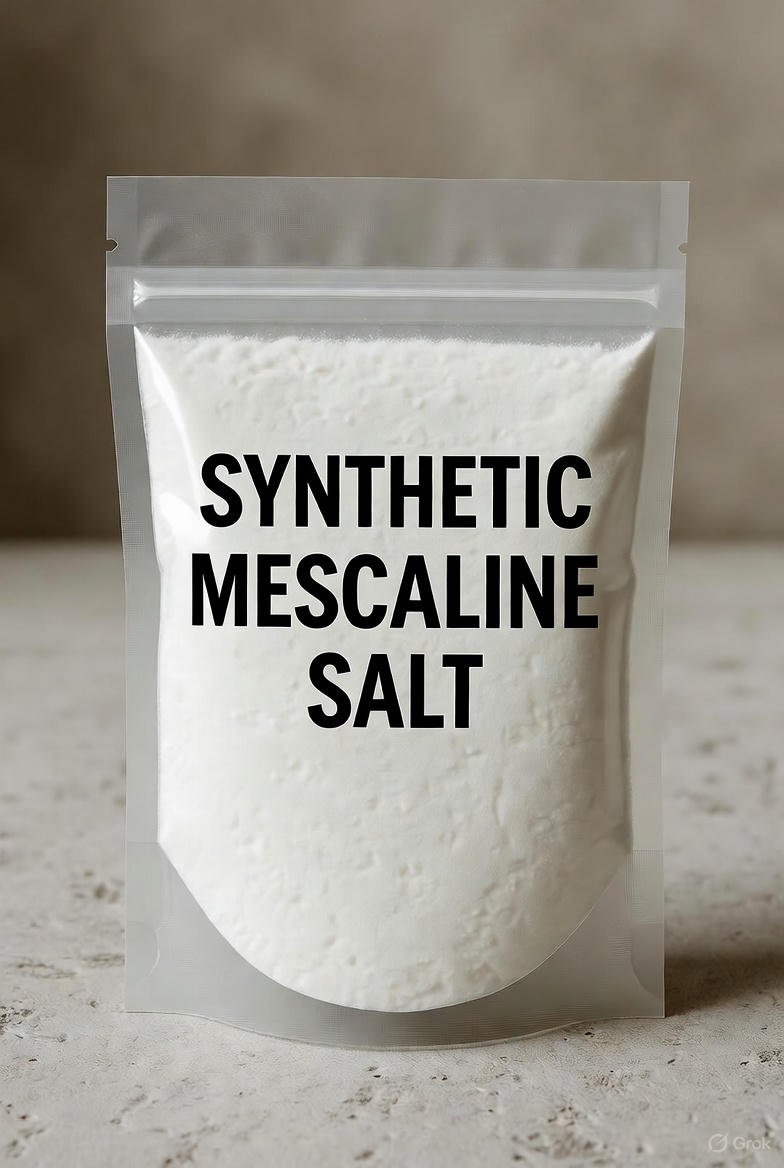
Exploring the history of synthetic mescaline reveals a fascinating intersection of chemistry and culture. Initially, German pharmacologist Arthur Heffter isolated the alkaloid in 1897; however, Ernst Späth achieved the first successful laboratory synthesis in 1919. Furthermore, this breakthrough allowed researchers to study the molecule without relying on scarce cactus imports. Consequently, the compound gained worldwide fame when Aldous Huxley documented his experience in The Doors of Perception. Specifically, Huxley’s vivid descriptions shifted the public’s view from simple toxicology to profound philosophical inquiry. Moreover, early psychiatric studies in the 1950s utilized the synthetic version to model “model psychoses” before transitioning into therapeutic research. Ultimately, the transition from ancient botanical use to modern synthetic application bridges the gap between indigenous tradition and contemporary Western science. Synthetic Mescaline HCL
Synthetic Mescaline in Modern Clinical Research
As we progress through 2026, synthetic mescaline is reclaiming its spot at the forefront of neuropsychiatric research. Specifically, recent clinical trials investigate its efficacy in treating treatment-resistant depression and social anxiety. Unlike shorter-acting compounds, mescaline’s extended duration provides a unique window for deep psychotherapeutic integration. Furthermore, researchers utilize the synthetic HCL variant because it offers the chemical stability required for FDA-standardized protocols. In addition to mood disorders, scientists are exploring its potential to alleviate cluster headaches through its vasoconstrictive properties. Therefore, the demand for high-purity, lab-grade molecules continues to surge within the medical community. Ultimately, these modern studies validate the substance’s potential as a powerful tool for neuroplasticity and long-term emotional healing.
The Entourage Effect: Pure Mescaline vs. Full-Spectrum Cacti
The debate between pure synthetic mescaline and full-spectrum cacti centers on the “entourage effect.” While the synthetic version provides a singular, high-clarity experience, natural cacti contain secondary alkaloids like pellotine and hordenine. Consequently, some practitioners argue that these minor compounds modulate the primary effects, potentially softening the body load. Conversely, others prefer the synthetic molecule because it lacks the gastrointestinal distress associated with cactus mucilage. Furthermore, using a pure isolate allows for a “clean” pharmacological study without the interference of unknown variables. Specifically, the absence of anhalonidine in the synthetic version results in a more predictable physiological response. Therefore, choosing between the two depends on whether one values botanical complexity or laboratory-grade precision.
Solubility and Stability: Crystalline Mescaline HCl vs. Sulfate
Understanding the physical chemistry of synthetic mescaline is vital for proper storage and application. Specifically, the molecule typically appears as either a Hydrochloride (HCl) or a Sulfate salt. Furthermore, Mescaline HCl remains the most popular form because it boasts higher water solubility and a higher percentage of active alkaloid by weight. In contrast, the Sulfate version offers a slightly different crystalline structure and is often noted for its long-term shelf stability. Moreover, both forms are highly resistant to heat and light degradation when stored in a cool, dry environment. Consequently, researchers must calculate dosages based on the specific salt’s molar mass to ensure accuracy. Ultimately, selecting the right salt form determines the compound’s bioavailability and its ease of use in various experimental settings.
Synthesizing the Future: Sustainability and Conservation
Synthetic mescaline represents the most ethical choice for the modern era. Because the Peyote cactus takes decades to reach maturity, wild populations are currently facing a critical extinction crisis. Fortunately, laboratory synthesis provides a scalable solution that requires zero botanical harvesting. Moreover, choosing the synthetic route respects the religious sovereignty of indigenous groups who rely on limited natural supplies. Furthermore, the lab-grown version leaves a significantly smaller ecological footprint than large-scale San Pedro plantations. Consequently, sustainability-minded researchers and enthusiasts are pivoting toward synthetic alternatives to protect biodiversity. Ultimately, the shift to lab-produced alkaloids ensures that we can explore the molecule’s benefits without destroying the very ecosystems that first revealed them.
What is Synthetic Mescaline?
Synthetic Mescaline is the laboratory-engineered version of the alkaloid 3,4,5-trimethoxyphenethylamine. While traditional sources like the San Pedro or Peyote cacti contain this compound, scientists synthesize the HCl (hydrochloride) salt form to achieve maximum purity. Unlike botanical extracts, which contain a varying “entourage” of secondary alkaloids, the synthetic version offers a standardized crystalline structure. Consequently, researchers prefer this form for clinical trials because it ensures consistent results across different subjects. By choosing synthesis over harvesting, the industry also protects endangered cactus species from over-exploitation. Ultimately, synthetic mescaline provides a “cleaner” chemical profile that eliminates the organic plant material often responsible for severe nausea and unpredictable effects.
The Pharmacology of Synthetic Mescaline
To understand how synthetic mescaline functions, one must examine its interaction with the human central nervous system. This phenethylamine acts primarily as a 5-HT2A receptor agonist, mimicking the structural characteristics of dopamine and norepinephrine. In addition to its affinity for serotonin receptors, it significantly influences the 5-HT2C pathways, which regulate mood and perception. Because the synthetic form lacks the secondary alkaloids like pellotine found in nature, the metabolic path is more straightforward. Specifically, the liver processes the pure molecule with higher efficiency, leading to a more linear onset and offset. Therefore, scientists utilize this consistency to map neural firing patterns without the “noise” of additional plant compounds. Ultimately, mastering the pharmacology of this compound allows for a deeper exploration of neuroplasticity and serotonin-mediated signaling.
| Grams | 10 Grams, 20 Grams, 100 Grams, 1000 Grams |
|---|
Be the first to review “Synthetic Mescaline HCL”
Related products
MESCALINE
Price range: $145.00 through $960.00
This product has multiple variants. The options may be chosen on the product page
MESCALINE
Price range: $200.00 through $4,500.00
This product has multiple variants. The options may be chosen on the product page
MESCALINE
Price range: $240.00 through $11,499.00
This product has multiple variants. The options may be chosen on the product page
Reviews
There are no reviews yet.