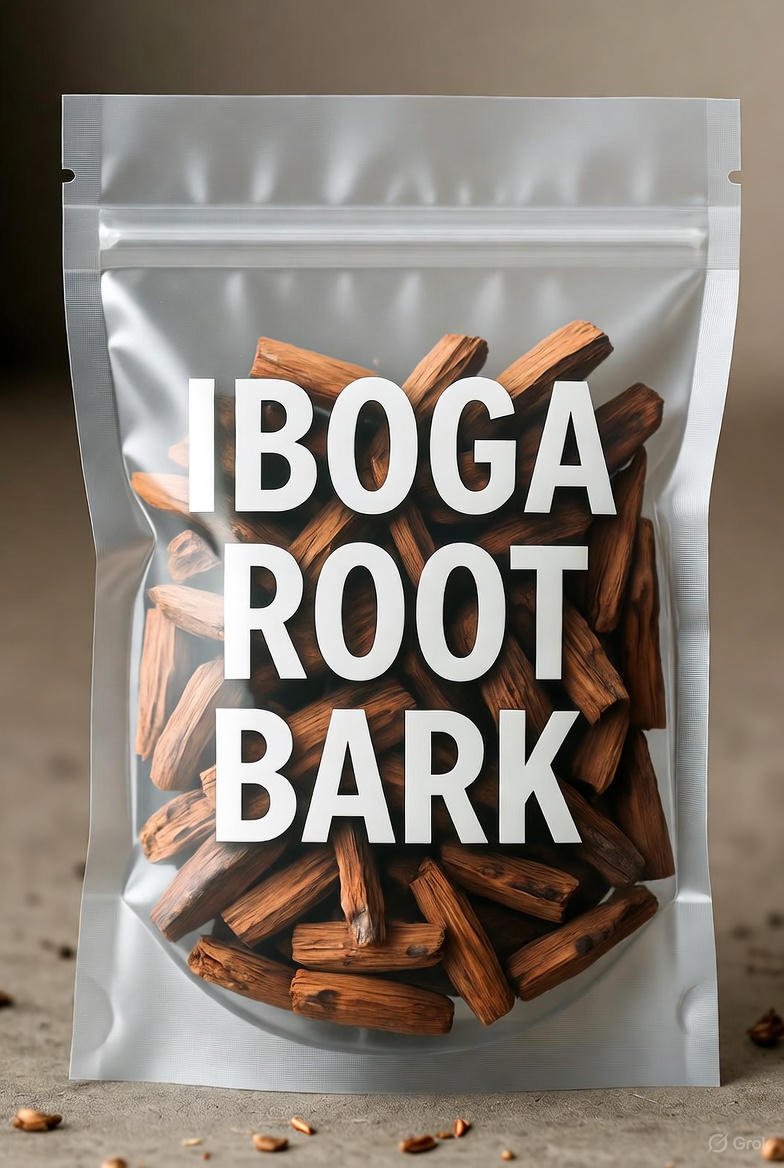

Iboga root bark serves as the traditional, raw foundation of the Bwiti spiritual practice in West Central Africa. Unlike refined extracts, this botanical material contains the full, unaltered spectrum of alkaloids found within the Tabernanthe iboga shrub. In 2026, researchers and practitioners increasingly value the root bark for its “entourage effect,” where secondary compounds modulate the primary effects of ibogaine. Because the plant must mature for years before harvest, the bark carries a dense concentration of transformative energy. However, consuming the raw bark requires deep respect for its potency and cultural origins. It bridges the gap between ancient ritual and modern healing, offering a profound biological “reset.” Ultimately, choosing raw root bark connects the user to a lineage of ancestral wisdom, provided they prioritize ethical sourcing and safety. where to buy iboga root bark USA
What is Iboga Root Bark?
Iboga root bark is the shaved and dried inner layer of the Tabernanthe iboga root, a sacred shrub native to Gabon and Cameroon. This material acts as the primary source for ibogaine, yet it offers a much more complex chemical profile than isolated salts.
Specs & Technical Details: Naturally, the root bark contains an alkaloid concentration typically ranging from 2% to 6%. While ibogaine remains the most prominent alkaloid, the bark also features ibogaline and ibogamine. Physically, the bark appears as thin, woody shavings or a coarse, brownish-yellow powder. It tastes exceptionally bitter and produces a distinct numbing sensation on the tongue. Because it remains in its raw botanical form, the material includes natural plant fibers and resins that slow the body’s absorption rate. This technical complexity ensures a long-lasting, deeply grounded experience that synthetic versions often lack. iboga root bark capsules for sale
What Does Iboga Root Bark Feel Like?
The experience of Iboga root bark unfolds as a rigorous, three-stage journey that demands total physical and mental surrender.
The Visionary Stage: During the first 4 to 8 hours, users enter a vivid “waking dream” state. Unlike other psychedelics, Iboga visuals often appear as narrative slideshows of one’s own memories. You may feel as if you are watching a cinematic review of your life’s choices and ancestral history. ibogaine hcl and iboga root bark for sale
The Introspection Phase: Once the visions subside, a long, emotionally neutral period of reflection begins. This phase can last up to 20 hours, during which the mind processes earlier insights with absolute clarity. Physically, you will likely experience ataxia (loss of motor coordination) and a distinct “buzzing” or vibrating sensation. This stage feels like a deep psychological audit, clearing out mental clutter and resetting habitual thought patterns. iboga root bark for sale
What Does An Iboga Root Bark Trip Feel Like?
An Iboga root bark trip feels like a stern yet transformative “surgery of the soul.” Rather than the colorful euphoria of mushrooms, Iboga provides a grounded, often sobering encounter with one’s own subconscious. Initially, you might hear a high-pitched humming or digital sound, signaling the onset of the medicine. Physically, the body feels heavy and uncoordinated, forcing you to remain still and introspective. Furthermore, the experience feels intensely “earthy” and ancestral; many describe a sense of being guided by a firm, wise presence. It is a demanding marathon that tests your endurance but rewards you with unparalleled mental silence. By the end of the journey, users often report a feeling of being “reborn” or “rewired,” as if the slate of their past has been wiped clean.
How Long Does Iboga Root Bark Last?
Iboga root bark is the “heavyweight” of long-duration plant medicines, often requiring a commitment of 24 to 48 hours. The acute visionary peak typically occupies the first 12 hours, followed by a long, wakeful period of integration. Because the raw bark contains fibrous material, the body processes it slowly, extending the physical “body load” significantly. Even after the primary trip ends, many users experience a “gray day” of lingering introspection and physical fatigue. Furthermore, total recovery and the return of a normal sleep cycle may take 3 to 4 days. Due to its metabolite, noribogaine, the “afterglow” and antidepressant effects can persist for weeks or months. Consequently, you must set aside an entire week for the session, as the recovery phase is just as vital as the trip itself.
How to Store Iboga Root Bark
To protect the delicate alkaloids within Iboga root bark, you must store it in a cool, dark, and dry location. Since the material is organic, it is susceptible to mold if exposed to moisture. First, place the bark shavings or powder in an airtight glass jar, preferably amber-colored to block UV light. Next, ensure the container stays away from heat sources like radiators or direct sunlight, which can degrade the ibogaine content. Including a food-grade silica desiccant packet inside the jar will help maintain a 0% humidity environment. When stored properly, the root bark can maintain its full potency for 5 to 7 years. Always label your jars clearly, as the powdered form can easily be mistaken for other botanical materials, and its potency remains high even years after harvest.
How Does Iboga Root Bark Work?
Iboga root bark works as a “polypharmacological” powerhouse, influencing multiple neurotransmitter systems at once. Most importantly, it triggers the release of Glial Cell Line-Derived Neurotrophic Factor (GDNF), a protein that repairs and protects dopamine neurons. This essentially “resets” the brain’s reward circuitry, making it effective for interrupting addiction. Additionally, its alkaloids act as NMDA receptor antagonists and interact with serotonin and opioid receptors to alter perception and mood. By temporarily blocking the habitual pathways of the mind, Iboga creates a unique window of neuroplasticity. During this time, the brain can effectively “unlearn” harmful behaviors and forge new, healthier connections. This complex mechanism explains why a single dose can produce such long-lasting psychological and physical shifts, far exceeding the effects of more traditional pharmaceutical treatments.
What Does Iboga Root Bark Look Like?
In its raw state, Iboga root bark appears as thin, irregular scrapings or shavings taken from the root of the Tabernanthe iboga shrub. The color typically ranges from a pale yellowish-cream to a deep, rusty orange, depending on the age of the plant and how it was dried. When ground into a powder, it resembles fine sawdust or instant coffee, often with a slightly fibrous texture. Furthermore, the bark has a very distinct, pungent “earthy” aroma that many find unmistakable once they have encountered it. If you chew a small piece, it will cause a noticeable numbing of the tongue and throat. Because of its value, “fake” iboga often appears on the market; however, genuine root bark should have a bitter, alkaloid-rich flavor and a vibrant, natural hue that reflects its potent chemical makeup.
How Long Does Iboga Stay In The System?
While the psychoactive journey concludes within a few days, the presence of Iboga in your system lasts much longer. The liver metabolizes the primary alkaloids into noribogaine, which has an exceptionally long half-life. While the initial compounds clear the blood in 48 to 72 hours, noribogaine stores itself in fatty tissues and can remain detectable for 1 to 4 months. This long-term presence provides the famous “anti-craving” effect that helps individuals stay sober after treatment. In terms of drug testing, standard 5-panel workplace screens do not detect Iboga. However, specialized laboratory tests can identify its metabolites in urine for several days. For those concerned with long-term detection, its markers may stay in hair follicles for up to 90 days. Consequently, the medicine continues to work beneath the surface long after you have returned to daily life.
What’s the Dose of Iboga Root Bark?
Dosing raw Iboga root bark is an art that requires careful weight-based calculations, as potency varies between harvests.
Microdosing: A sub-perceptual microdose usually consists of 0.5 to 1.5 grams of powdered bark. Many users adopt this to improve mood and focus without experiencing any visuals or ataxia.
Flood Dose: For a full ceremonial or therapeutic “flood,” the dose typically ranges from 15 to 50 grams, depending on the bark’s alkaloid percentage. Clinicians often aim for a total ibogaine intake of 15mg to 20mg per kilogram of body weight. Because Iboga places significant strain on the heart, you must never attempt a flood dose without a prior EKG/ECG test and professional medical supervision. Starting with a small “test dose” of 1 gram is essential to screen for rare hypersensitivity or adverse reactions before consuming the full amount.
| Quantity | 20 Grams, 50 Grams, 100 Grams, 1000 Grams |
|---|
Be the first to review “Iboga Root Bark”
Related products
IBOGAINE
Price range: $200.00 through $4,500.00
This product has multiple variants. The options may be chosen on the product page
IBOGAINE
Price range: $200.00 through $11,500.00
This product has multiple variants. The options may be chosen on the product page
Sale!
IBOGAINE
Original price was: $200.00.$145.00Current price is: $145.00.
Reviews
There are no reviews yet.